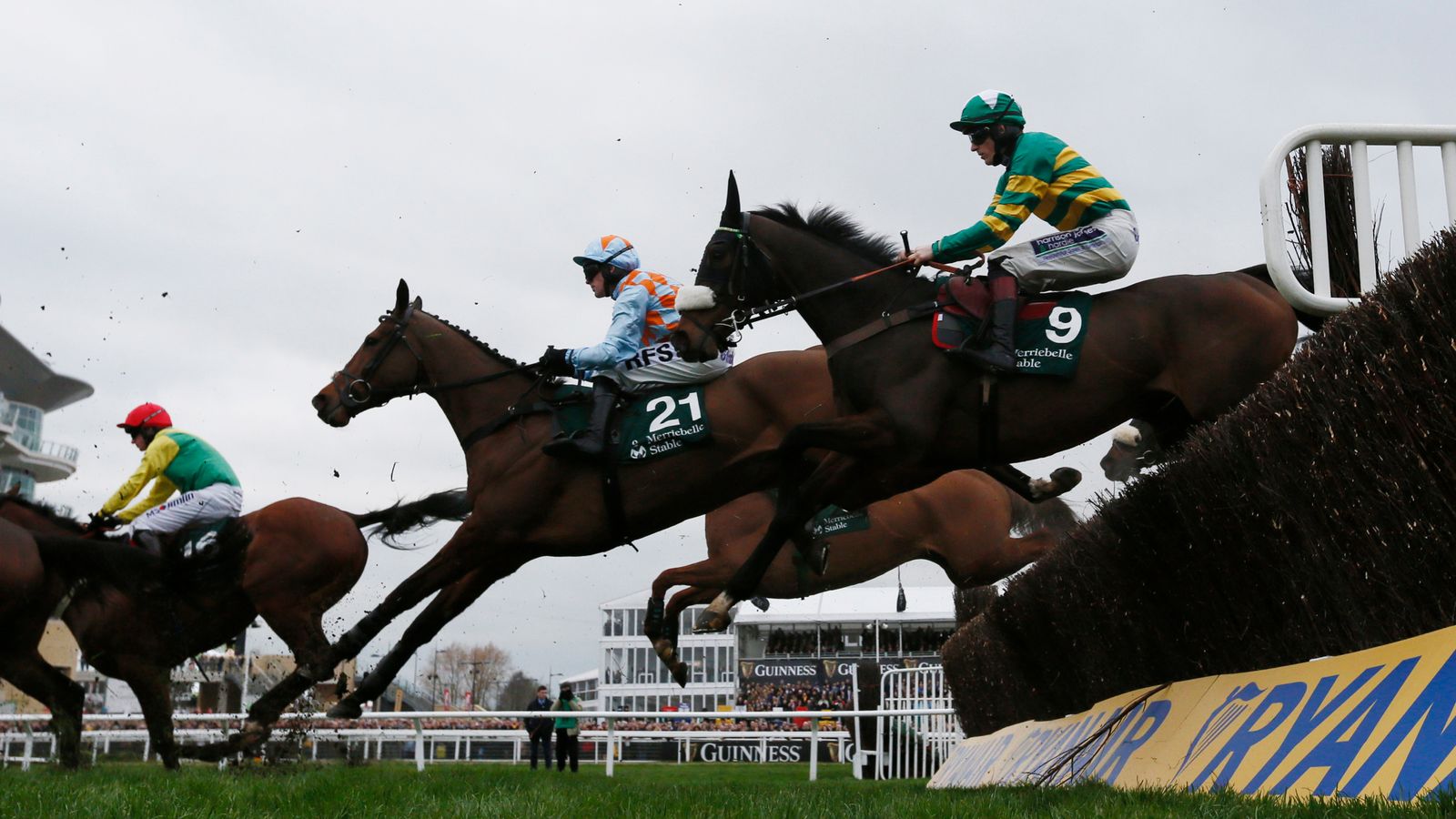
The Current Situation of UK Horse Racing Cancellation
The cancellation of UK horse racing events has sent ripples through both the sporting community and the betting industry. Many enthusiasts have felt the impact deeply, as a significant source of entertainment and investment has been diminished. For those who seek alternatives, UK Horse Racing Not on GamStop non GamStop horse racing betting sites have emerged, providing avenues for betting enthusiasts to continue their engagement with horse racing.
Horse racing has long been a cherished tradition in the UK, drawing in fans from various backgrounds. From the prestigious Royal Ascot to the lively meets at local tracks, each event offers an exhilarating experience. However, unforeseen circumstances have led to the suspension of these events. Whether due to public health concerns, regulatory changes, or other factors, the effects have been widespread.
The Financial Implications of Suspension
The financial implications of cancelling horse racing events are significant. Not only do bookmakers lose revenue from betting activity, but the local economies surrounding race tracks also suffer. Hospitality sectors, including hotels, restaurants, and local businesses that depend on racegoers, feel the sting of the cancellations as well. The ripple effect extends to employment, with jobs at stake due to lower inflow of customers.
Additionally, the racing industry itself faces rising costs without the greater income from betting revenue. Training facilities, staff wages, and care for the horses continue, creating a financially precarious situation for many trainers and owners. As the industry grapples with these challenges, discussions around sustainability and support mechanisms become pivotal.
Alternatives for Bettors
Although the cancellation of live horse racing has put a damper on traditional betting activities, alternative options have surfaced as viable choices for avid bettors. Some enthusiasts have turned to international races, where events may still be ongoing in other countries. This diversification allows bettors to continue their engagement while also exploring different racing cultures and formats.

Another appealing option for many is the rise of virtual horse racing. Companies have created sophisticated platforms allowing users to bet on simulated races, which deliver an engaging and entertaining experience, mimicking the thrill of live racing. While these virtual events may not replace the genuine excitement of witnessing real horses gallop down the track, they provide a temporary outlet.
Furthermore, many racing enthusiasts are now turning to non GamStop horse racing betting sites. These platforms offer betting opportunities without the restrictions of GamStop, enabling users to wager on international events and engage with various racing options, including virtual and simulcast races. The convenience of online betting significantly enhances the experience.
Community Response and Fan Engagement
The response from the horse racing community has been remarkable. Fans have shown resilience and creativity in maintaining their connection to the sport. Virtual fan meet-ups, discussion forums, and social media platforms are brimming with activity as enthusiasts share their experiences and opinions on the future of racing.
Racing organizations have also stepped up their efforts to engage with fans through alternative means. Live streaming of past races, horse training sessions, and behind-the-scenes access provides a glimpse into the world of horse racing, keeping the community connected.
The Future of UK Horse Racing
The ultimate question on everyone’s mind is: what does the future hold for UK horse racing? As restrictions begin to ease and safety measures are put in place, many hope to see the return of live racing events. However, lessons learned during the suspension will likely shape future operations.
Investment in technology, innovation in betting platforms, and a focus on sustainability will be crucial. The industry may witness an evolution in how races are conducted and how audiences engage with them, emphasizing digital experiences and global connections.
Furthermore, ongoing discussions on safety and welfare for both horses and participants will remain paramount. As the sport navigates through its challenges, the resilience and passion of the horse racing community will be the driving force behind rebuilding the industry.
Conclusion
In conclusion, the cancellation of UK horse racing events has had profound effects across the industry. While the absence of live events has posed significant challenges, the adaptability of fans and the emergence of alternative betting options highlight the resilience of the community. As the racing world prepares for a future filled with opportunities and innovations, one thing remains clear: the love for horse racing will endure, spreading its influence far and wide even in tough times.